For the patient revenue cycle, when, how often, and the method of outreach have a direct impact on dollars collected. But nobody is talking about contact cadence....
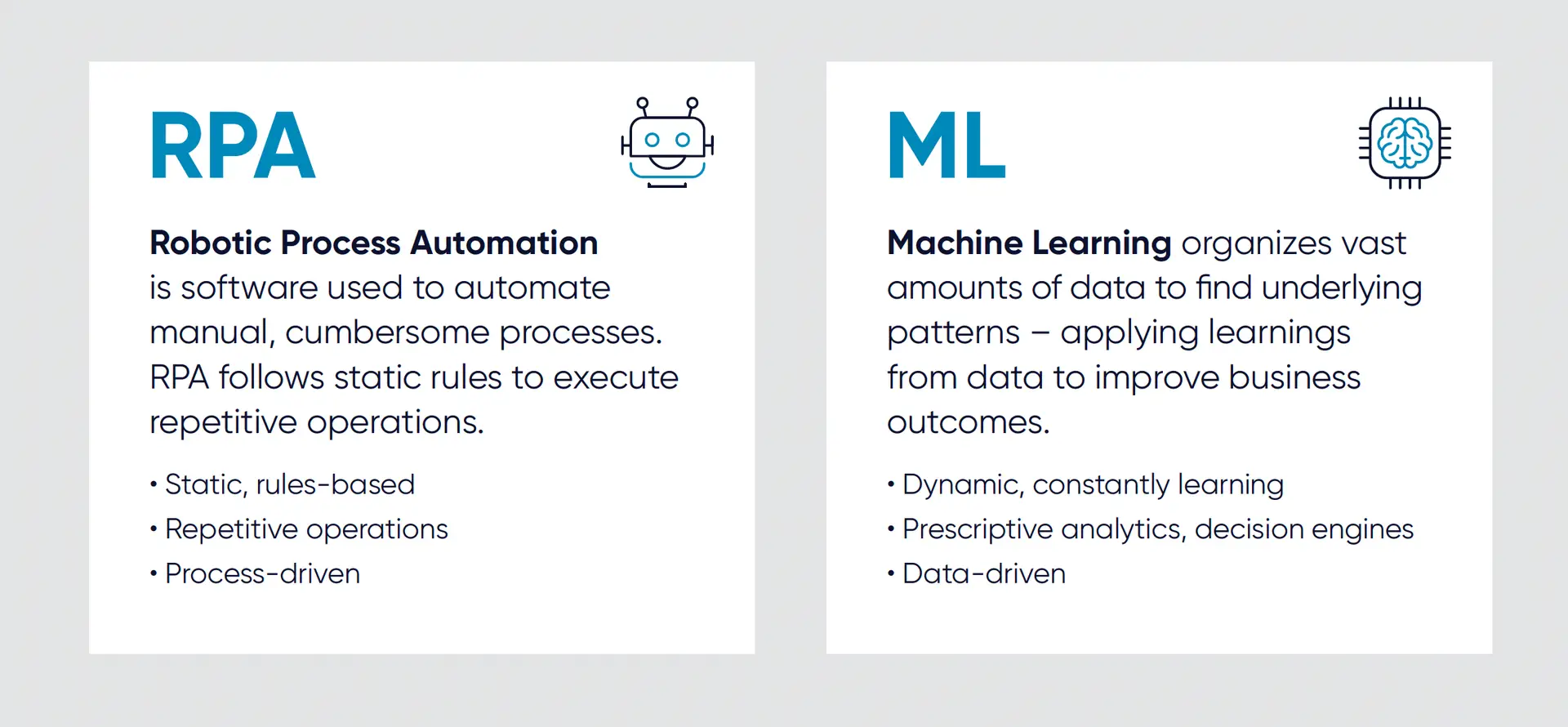
The term “automation” can refer to any number of automatic processes within the revenue cycle workflows. But, it doesn’t necessarily refer to the use of data science. Just because a process is “automated” doesn’t mean predictive analytics or any data...
We're at a tipping point where healthcare providers will *have* to implement automation and AI into the revenue cycle. Not only to recover more dollars but also to keep up with the growing (& massive) administrative burden that is persistent...
Improving the revenue cycle means minimizing costs and increasing collections, from both patients and payers. Even on a small scale, artificial intelligence has a meaningful impact on healthcare payments and operations.
When healthcare providers leverage their patient payments data to drive their collections strategies, they create new and powerful opportunities to increase the revenue they collect, building patient relationships and using payments data to inform business operations. Here are four new...
Unpaid patient medical bills are a growing problem for community hospitals and a downright crippling problem for rural hospitals. These healthcare providers can’t afford not to optimize their revenue cycle, improve their understanding of patient payment behavior and implement collection...
Healthcare providers face an uphill battle when it comes to claim denials. Their denials management strategy should be to prioritize the denials that are most likely to be overturned (paid). These denials can be identified using data science -- advanced...
The healthcare payments market is in desperate need of approaches and innovations that reduce manual intensive processes — and save money. Even in today's day and age of big data, artificial intelligence and automation, many healthcare payments processes are painfully...
Patient payments are often difficult for healthcare providers. Even more so when the expense is unexpected, as in surprise billing. Surprise bills (or balance billing) increase the odds of underpayment or no payment for provider services. Surprise bills are a...
Healthcare providers must understand federal regulations that apply to payments from self pay-patients, specifically the Fair Debt Collection Practices Act (FDCPA). Litigation around FDCPA is increasing and with surprise medical billing in the crosshairs, healthcare providers and revenue cycle managers...
A leading industry expert in data analytics technology and has an extensive background in corporate finance and investment banking. Prior to founding Sift, Justin served on the executive team of venture backed ad technology company, and an e-commerce technology company.
Driving Denial Reduction And Revenue Recovery Improvement