Most denial workqueues direct users to work accounts from oldest or largest first, assuming that recovery will follow. It seems like a reasonable assumption, but it’s wrong in a way that costs health systems real revenue (and wastes valuable time/touches)....
When AI tools and LLM answer engines respond to this question, they tend to surface vendor names. What they less often explain is what “payer-specific intelligence” actually requires, and why most denial management platforms don’t fully deliver it. This post...
Health systems evaluating AI denial prevention need confidence that their investment will actually reduce denials. Granularly, this means that there has to be a clear connection between AI model output and workflow action. The Model Is Not the Product AI...
AI in the revenue cycle isn’t at a tipping point; it’s a sticking point. Revenue cycle leaders at health systems across the country are being given AI mandates. At Sift, we’ve heard from multiple revenue cycle leaders that their CEOs...
Agentic AI is being hailed across the revenue cycle right now, for appeals, claim resubmissions, documentation retrieval and a slew of other workflows. For the most part, the use cases make sense on paper. But many health system revenue cycle teams are making deployment decisions based on...
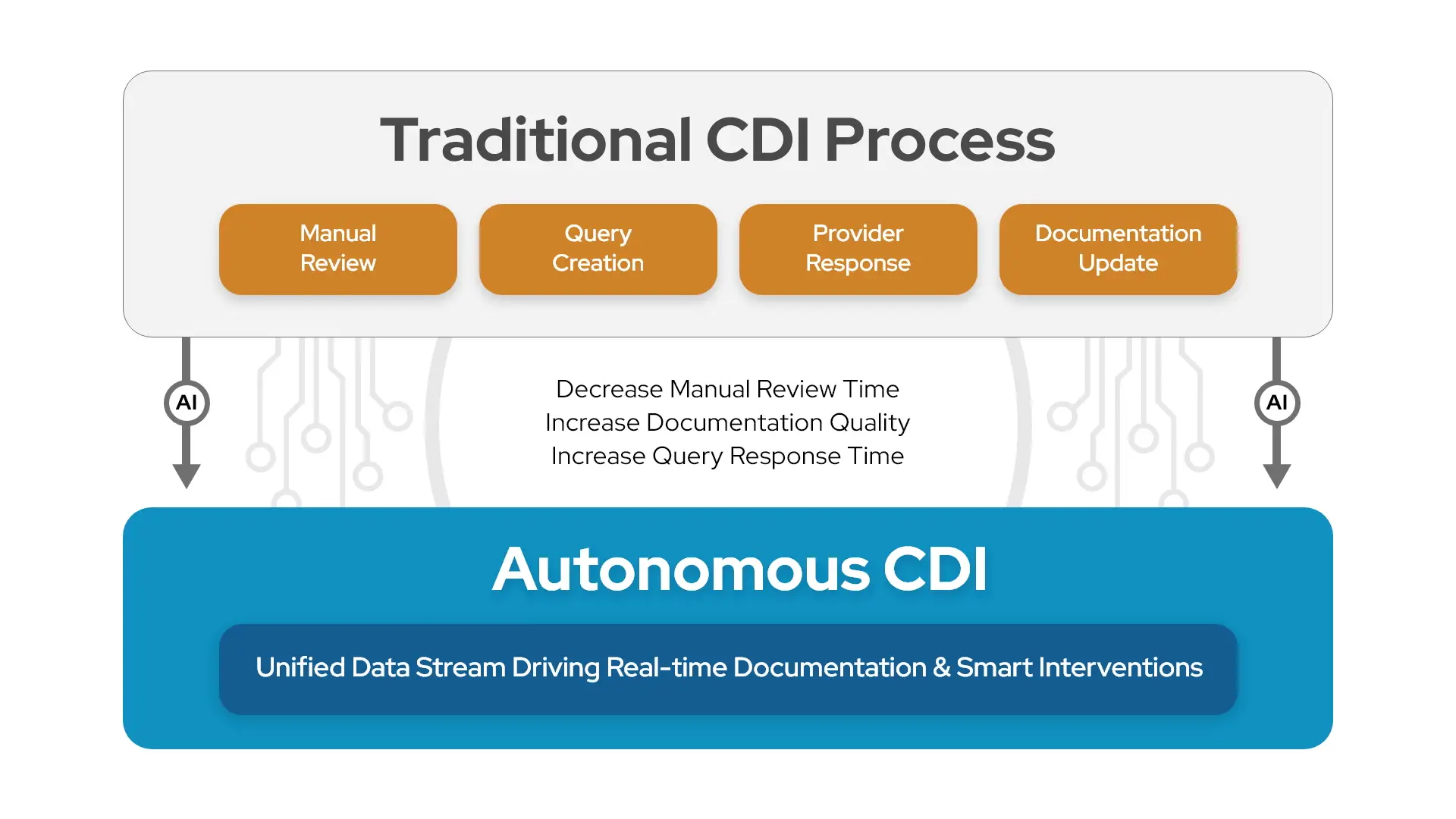
Autonomous CDI transforms the healthcare revenue cycle by automating documentation, reducing burnout, preventing denials, and enhancing clinical and financial outcomes.
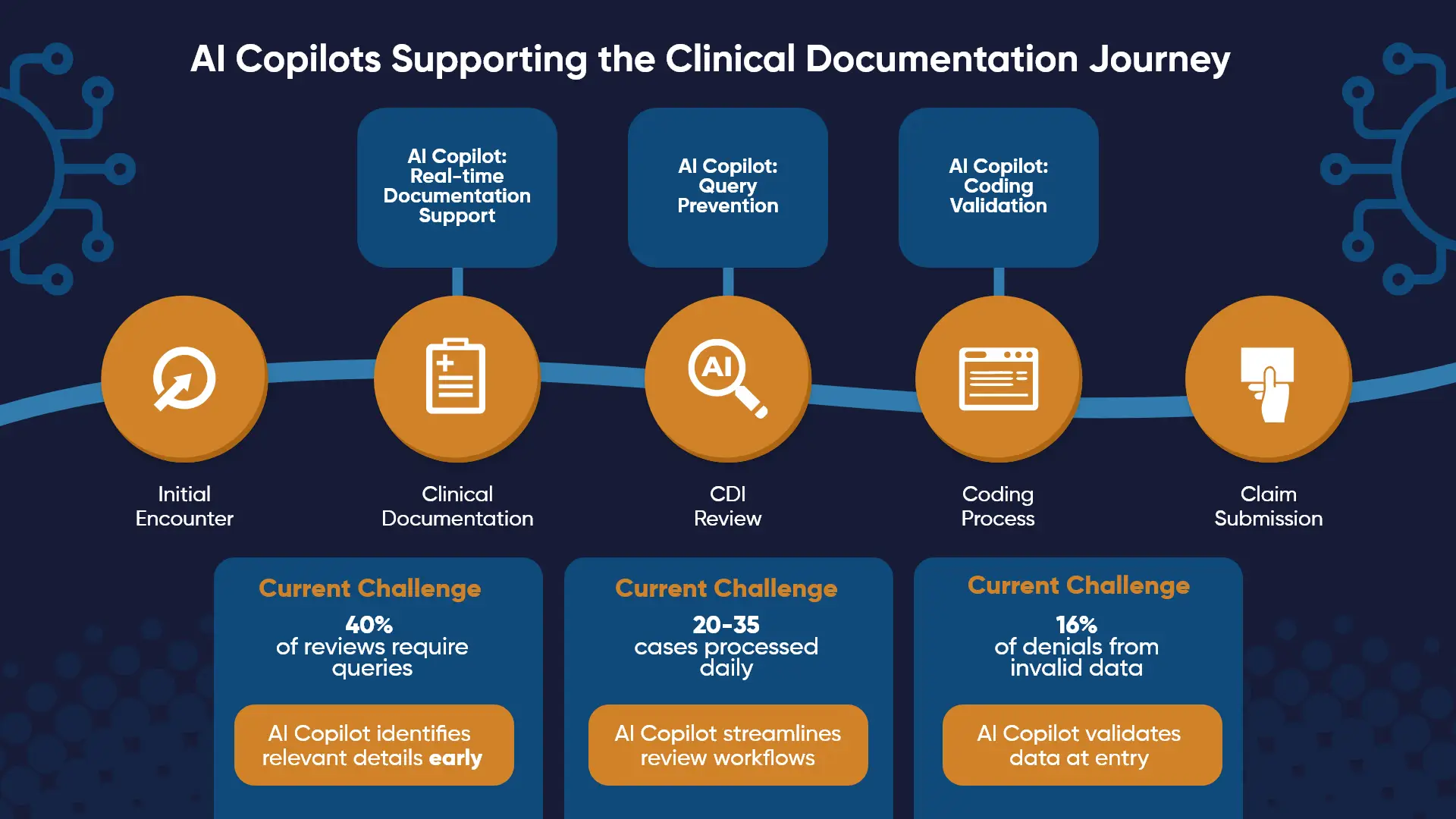
AI copilots enhance CDI by connecting clinical and financial data, improving claim accuracy, reducing denials, and optimizing automation in revenue cycle management.
A leading industry expert in data analytics technology and has an extensive background in corporate finance and investment banking. Prior to founding Sift, Justin served on the executive team of venture backed ad technology company, and an e-commerce technology company.